
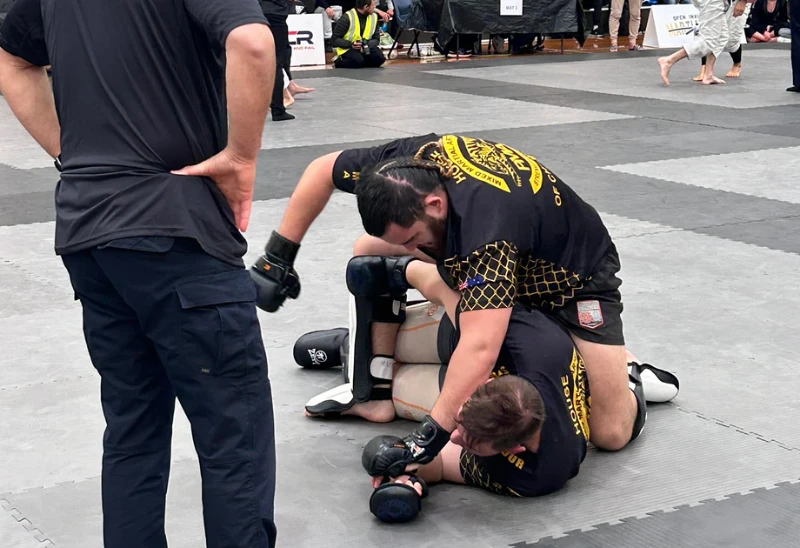
Starting Brazilian Jiu-Jitsu (BJJ) can feel intimidating at first—but it’s one of the most rewarding martial arts you can learn. Whether your goal is self-defense, fitness, competition, or mental discipline, BJJ gives you a structured path to grow step by step.
This guide breaks down everything a beginner needs to know before stepping onto the mats.
What is Brazilian Jiu-Jitsu?
Brazilian Jiu-Jitsu is a grappling-based martial art focused on controlling and submitting an opponent using technique, leverage, and positioning rather than strength.
Instead of striking, BJJ teaches you how to:
- Take an opponent to the ground safely
- Control positions like mount, guard, and side control
- Finish with submissions such as chokes and joint locks
The core idea is simple: a smaller, skilled person can control a larger, stronger opponent through proper technique.
Why BJJ is Perfect for Beginners
Many people start BJJ with zero martial arts experience. That’s normal—and expected.
Here’s why beginners thrive in BJJ:
- No prior experience required
- Techniques are learned step-by-step
- Progress is measurable (belts and skill development)
- Training is live and practical from day one
It’s a learning system built on repetition, not perfection.
What Happens in Your First Class?
Your first session will feel structured, not chaotic.
Typically, a beginner class includes:
- Warm-up (mobility, light conditioning, movement drills)
- Fundamental technique (basic positions or escapes)
- Partner drilling (practicing techniques with control)
- Light sparring (optional for beginners)
Don’t worry about “winning” or performing well—focus on learning movement and comfort on the mats.
Core Positions You’ll Learn First
BJJ is built around position before submission. Beginners usually focus on:
Guard
You are on your back using your legs to control distance and defend.
Mount
A dominant position where you sit on top of your opponent’s torso.
Side Control
A controlling position from the top that restricts movement.
Back Control
One of the strongest positions, used to finish fights safely with control.
Mastering these positions is the foundation of everything in BJJ.
What to Bring to Your First Class
Keep it simple:
- Comfortable athletic wear (rash guard + shorts or leggings)
- Water bottle
- Flip-flops for off the mat
- Short nails and clean hygiene
If you continue training, your academy will guide you into proper BJJ gear (gi or no-gi equipment).
Common Beginner Mistakes
Avoid these early pitfalls:
- Using too much strength instead of technique
- Holding your breath while rolling
- Trying to “win” instead of learning
- Ignoring fundamentals like posture and base
Progress in BJJ comes from patience, not aggression.
What Makes BJJ Different from Other Martial Arts?
Unlike striking-based systems, BJJ focuses entirely on ground fighting and control.
Key difference:
- Striking arts = speed and impact
- BJJ = control, leverage, and patience
This makes it highly effective for real-life self-defense and long-term skill development.
Final Thoughts
Brazilian Jiu-Jitsu is not just a martial art—it’s a skill system that builds confidence, fitness, and discipline over time.
Every black belt started as a beginner who had no idea what they were doing.
The only real requirement is showing up.